
When selecting LED displays for retail fixtures, one of the first decisions is whether to use edge-lit or back-lit technology. Both have advantages, and the right choice depends on the application. Understanding the difference can help retailers make better decisions.
How Edge-Lit LED Displays Work
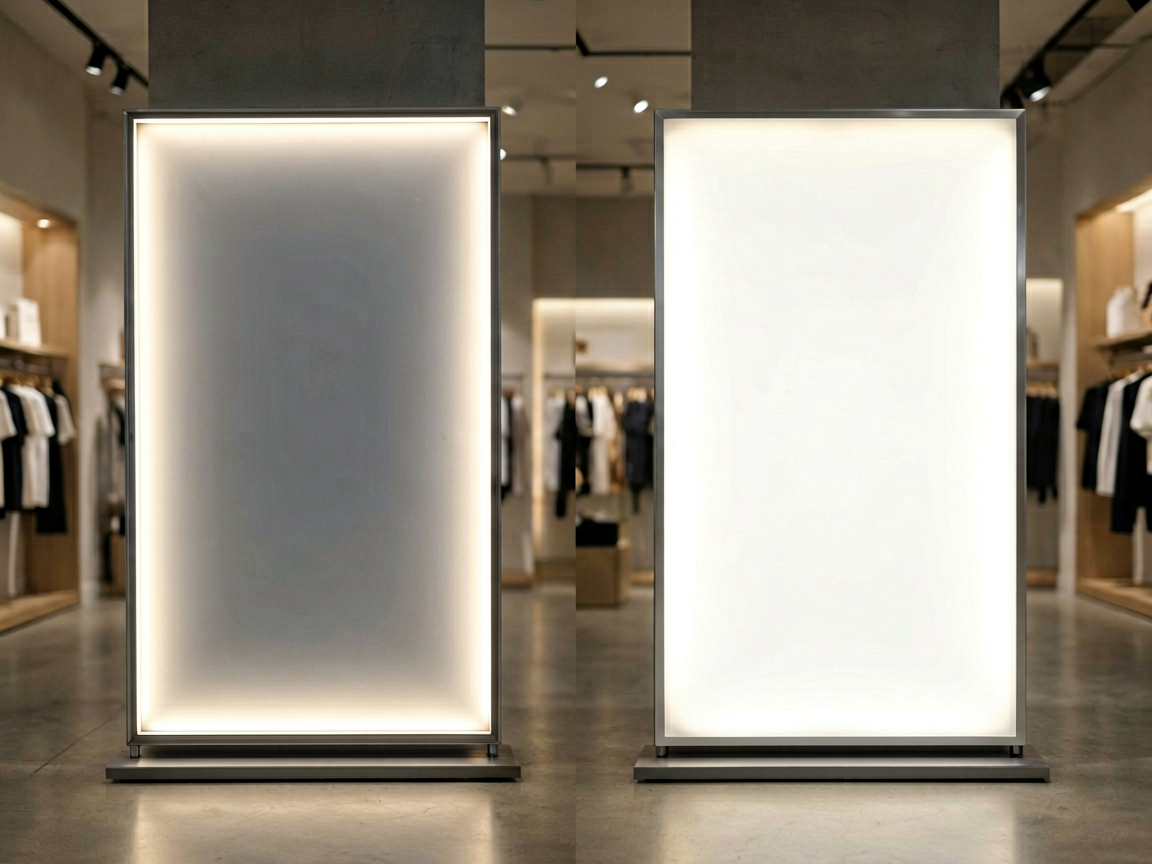
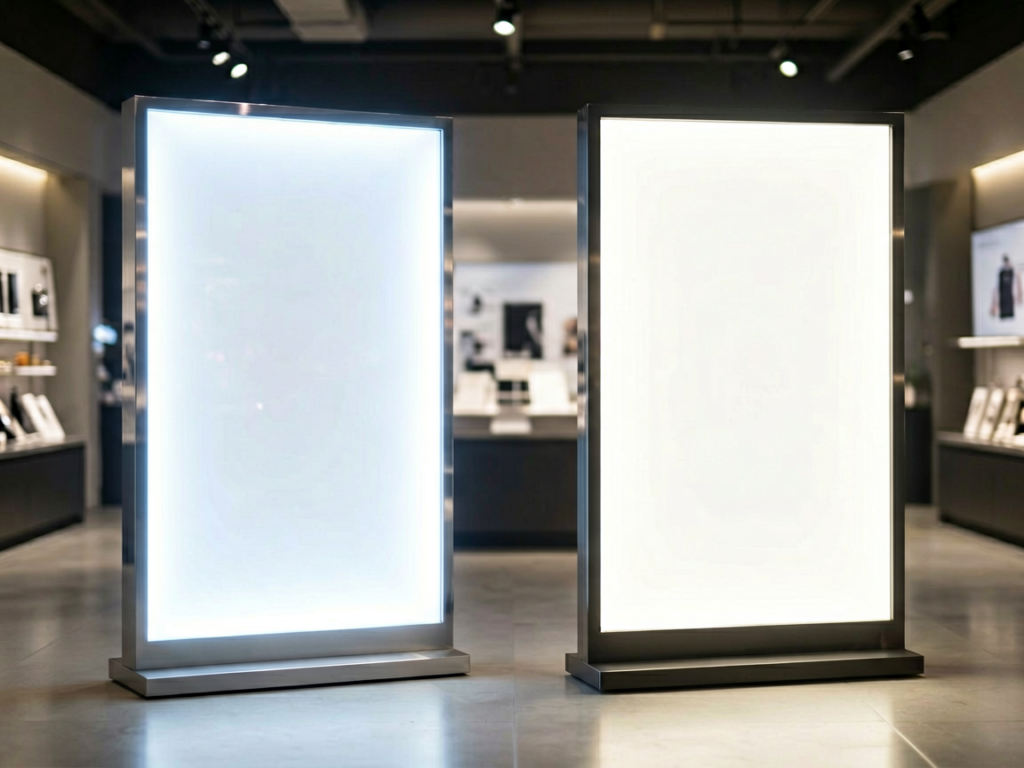
Edge-lit LED displays place the light source around the edges of the panel. A light guide plate distributes the light evenly across the surface. This makes the panel very thin and lightweight.
How Back-Lit LED Displays Work
Back-lit LED displays place LEDs directly behind the panel. This usually produces brighter and more uniform light. Back-lit panels are slightly thicker but offer better illumination for large surfaces.
Comparison
| Factor | Edge-Lit | Back-Lit |
|---|---|---|
| Thickness | Very thin | Thicker |
| Brightness | Good | Higher |
| Evenness | Can vary on large panels | More uniform |
| Cost | Lower for small sizes | Higher, but durable |
| Best use | Small signs, slim fixtures | Large backdrops, bright windows |
When to Choose Edge-Lit
Edge-lit is ideal when space is limited or the fixture needs to be slim. It works well for:
- Logo signs
- Shelf headers
- Decorative panels
- Thin wall-mounted fixtures
When to Choose Back-Lit
Back-lit is better when brightness and evenness are critical. It is ideal for:
- Large window displays
- Brand walls
- High-traffic areas with bright ambient light
- Backlit graphics and photography
Conclusion
Edge-lit is best for thin, elegant designs. Back-lit is best for high brightness and large areas. The right choice depends on the size, location, and purpose of the display.
Need help choosing LED displays for your fixtures? Contact us for guidance.
Related posts
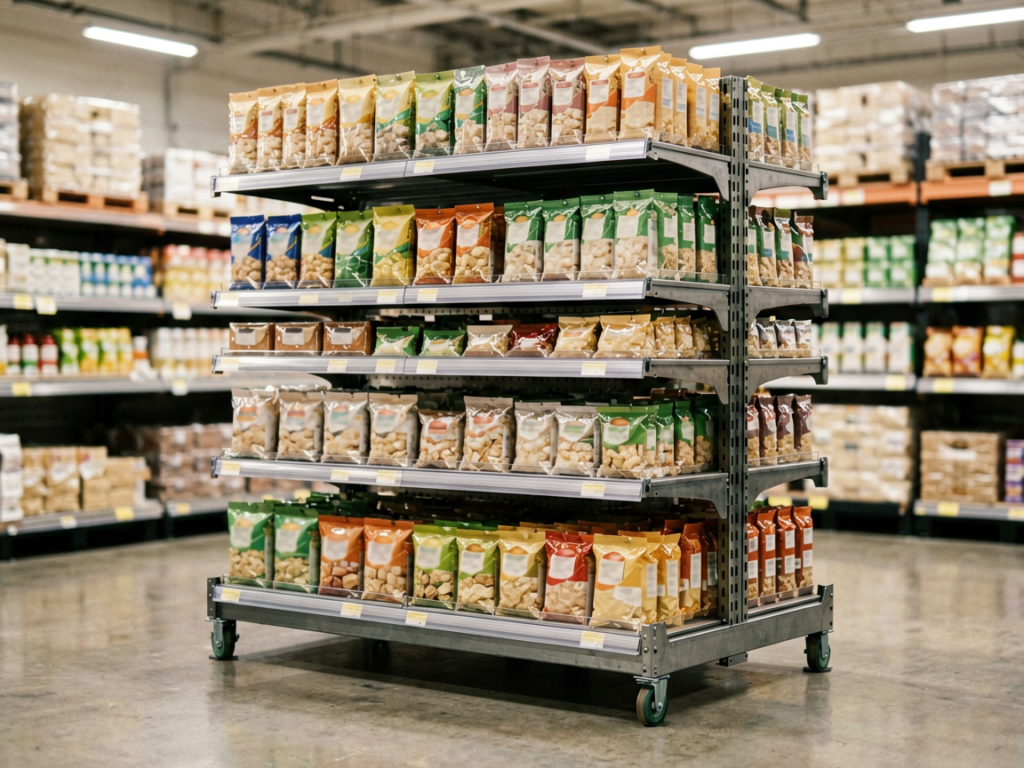
Material Thickness and Load Capacity for Supermarket Racks
Supermarket display racks must support heavy products every day. Bottled water, canned food, bulk snacks, and household products all add weight. The material thickness of a rack is one of the most imp...
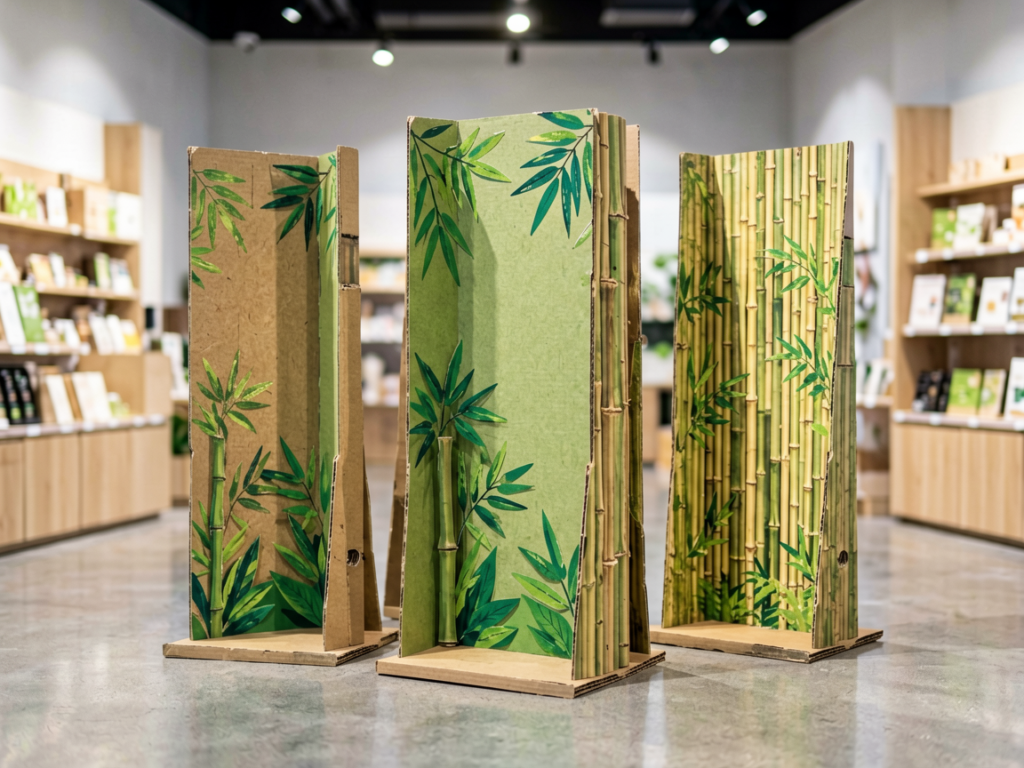
Eco-Friendly Materials for Sustainable POP Display Stands
Sustainability is becoming a priority in retail marketing. Brands want POP display stands that are effective but also environmentally responsible. Fortunately, there are many eco-friendly materials av...
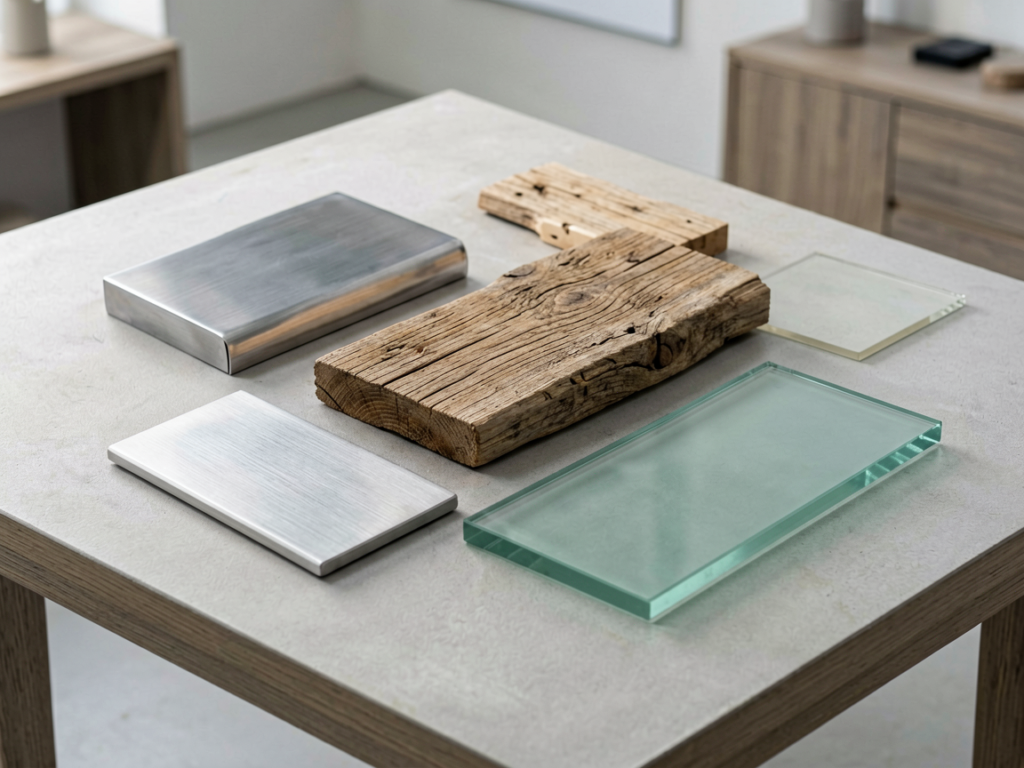
Selecting the Right Material for Custom Store Fixtures
Custom store fixtures are built from a wide range of materials. Selecting the right one depends on the store environment, budget, brand image, and how the fixture will be used. The wrong material can ...
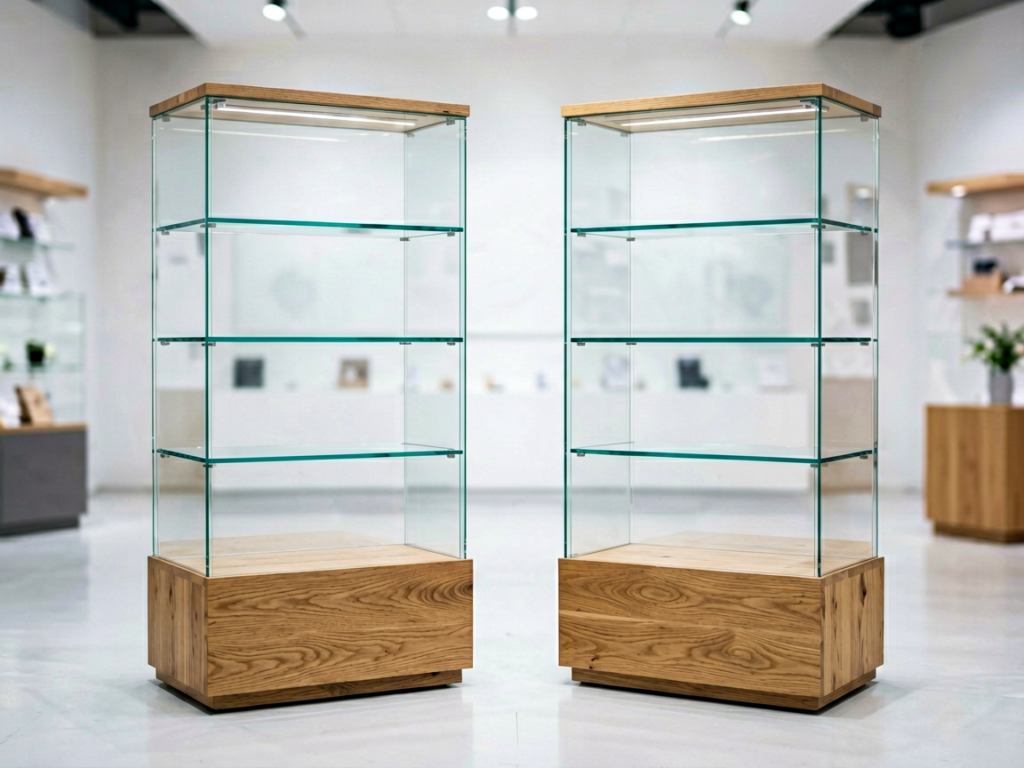
Glass, Acrylic, and Wood Options for Display Cabinets
Display cabinets combine multiple materials to create the right balance of visibility, protection, and style. The three most common materials are glass, acrylic, and wood. Each plays a different role ...
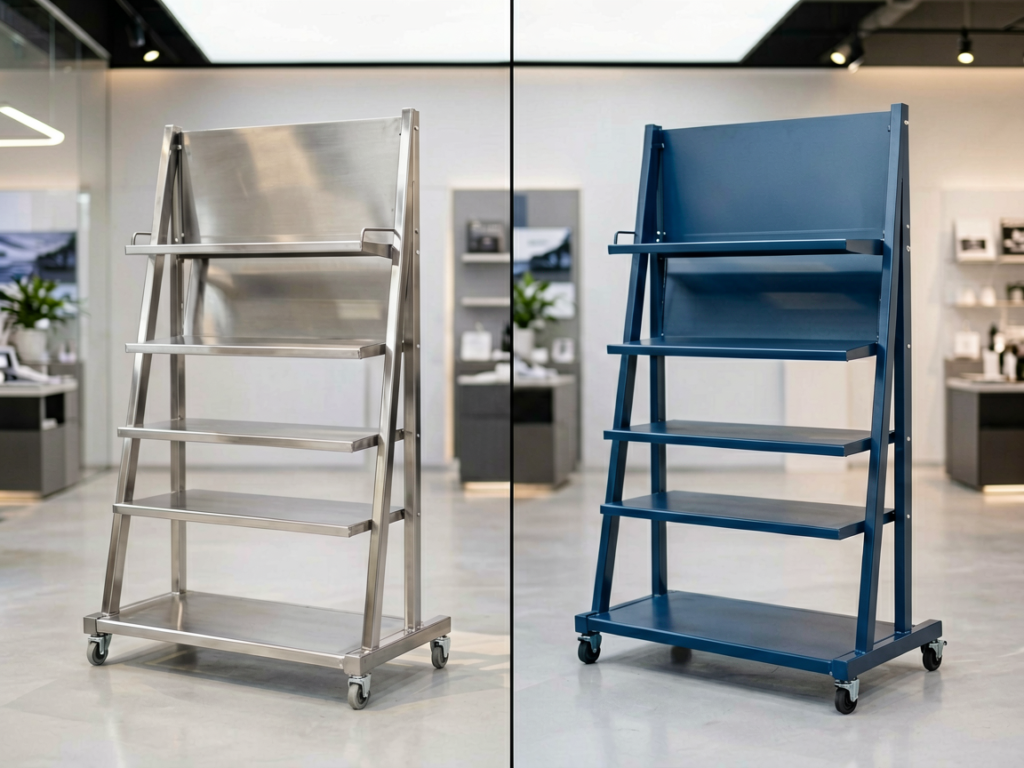
Stainless Steel vs Powder-Coated Metal Display Racks
Choosing the right material for metal display racks affects both appearance and durability. Two of the most common options are stainless steel and powder-coated steel. Each has strengths depending on ...
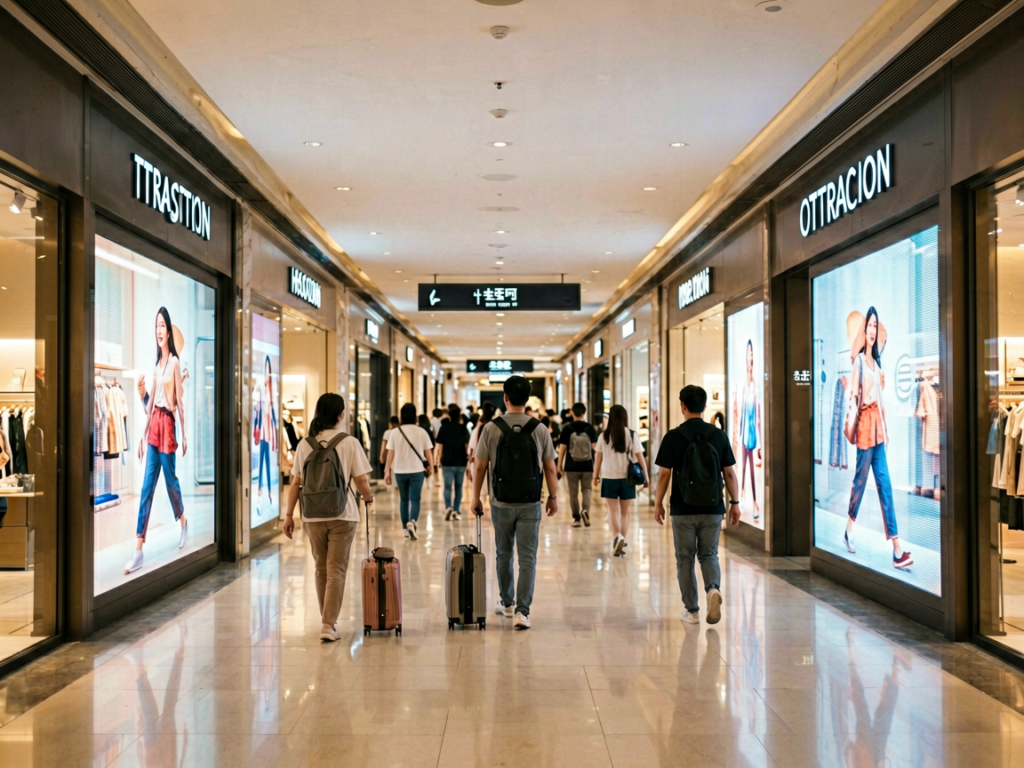
LED Retail Signage Displays That Boost Foot Traffic
Attracting foot traffic is one of the biggest challenges for brick-and-mortar retail. LED retail signage displays offer a powerful way to catch the eye of people walking by and draw them into the stor...
Energy Efficiency Benefits of Illuminated Display Fixtures
Illuminated display fixtures have become a standard feature in modern retail. They help products stand out and create a better shopping experience. But beyond appearance, they also offer energy effici...
Choosing Between Edge-Lit and Back-Lit LED Displays
When selecting LED displays for retail fixtures, one of the first decisions is whether to use edge-lit or back-lit technology. Both have advantages, and the right choice depends on the application. Un...
LED Display Integration in Modern Signage and Fixtures
Modern retail is becoming more connected. Lighting, signage, and product displays are no longer separate elements. LED display integration brings them together into a single, cohesive system. When don...
Why LED Backlighting Improves Retail Display Performance
Lighting is one of the most powerful tools in retail design. It can change how customers feel, where they look, and what they buy. LED backlighting has become especially popular because it improves re...
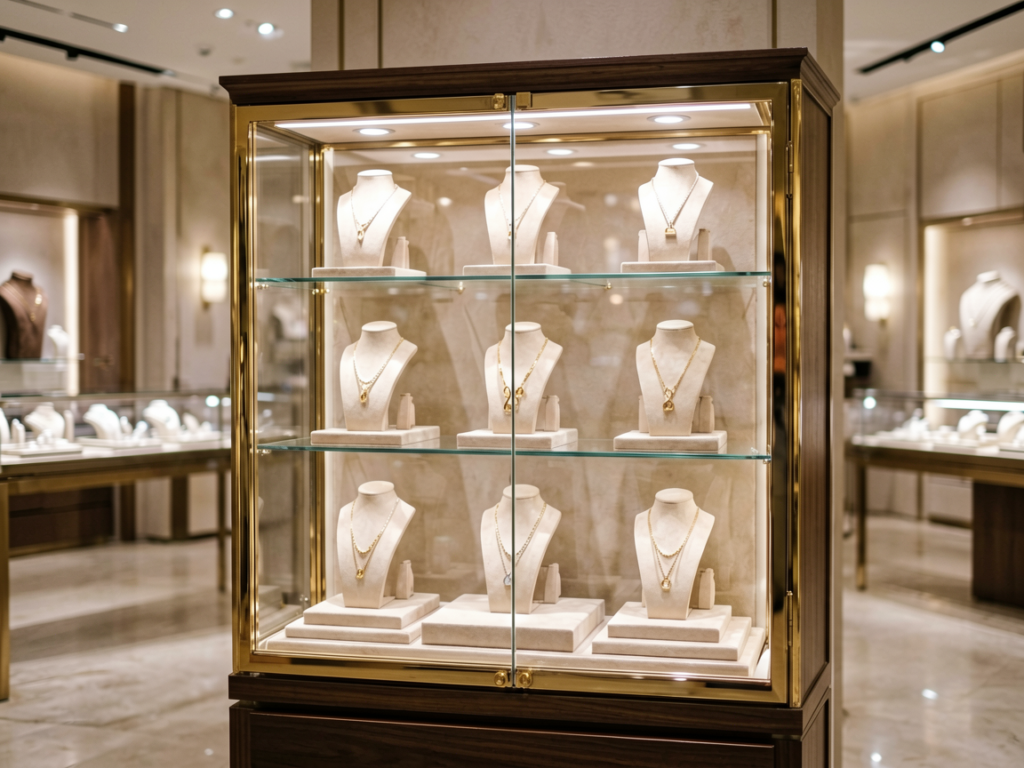
Display Cabinets for a High-End Jewelry Store
Jewelry stores demand display cabinets that protect products while enhancing their beauty. A recent project for a high-end jewelry brand required cabinets with security glass, built-in lighting, and a...
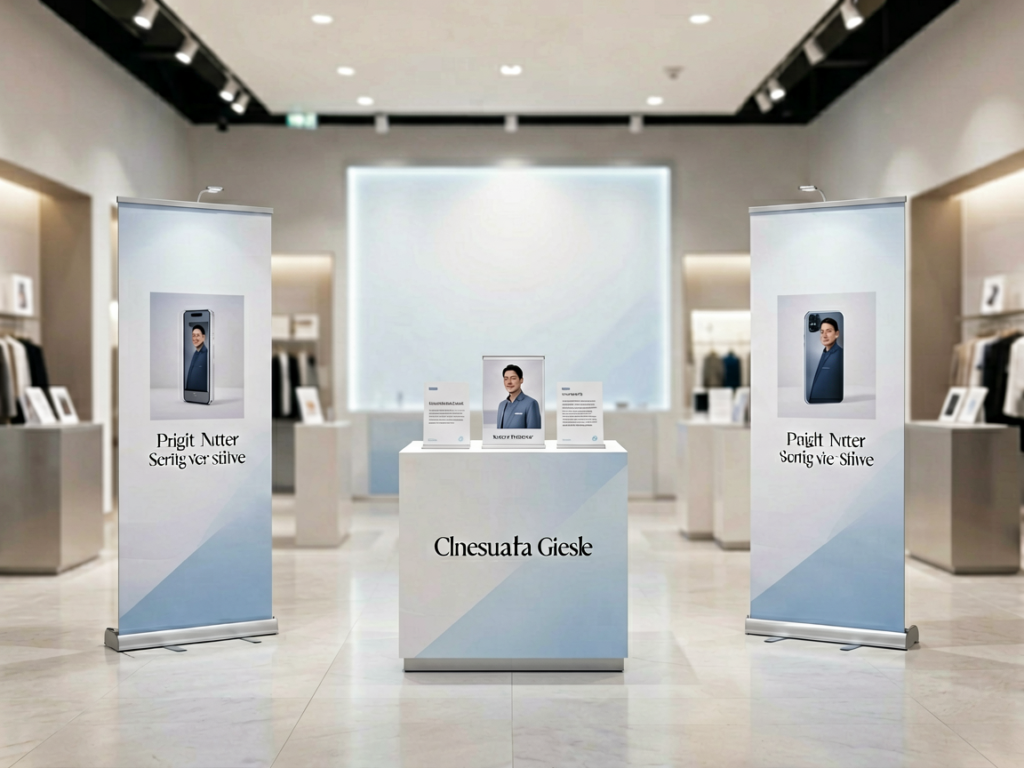
POP Display Stands for a New Product Launch
Launching a new product in retail is a competitive challenge. Brands need to grab attention quickly and make it easy for shoppers to understand the offer. A recent client used custom POP display stand...