
Metal display racks are the backbone of modern retail. Walk into any supermarket, electronics store, or boutique and you will see rows of steel and aluminum shelving holding everything from bottled drinks to luxury handbags. For retailers and wholesalers, understanding how these racks are made helps with buying decisions, quality control, and long-term store planning.
At Gorgeous Display, we manufacture metal display racks for clients across Europe, North America, and Asia. This guide explains the full production process, from raw steel to a finished rack ready for shipping.
What Are Metal Display Racks Used For?
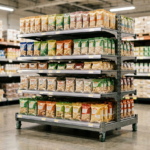
Metal display racks serve one core purpose: they organize and present products in a way that is easy for customers to browse. Common applications include:

- Supermarket shelving for packaged food, beverages, and household goods
- Retail floor stands for clothing, accessories, and cosmetics
- Electronics displays for phones, tablets, and accessories
- Industrial storage racks for warehouses and stockrooms
- Custom branded fixtures for flagship stores and pop-up shops
The design of a rack depends on where it will be used. A rack in a humid grocery store needs corrosion resistance. A rack in a high-end boutique needs a clean finish. A rack in a warehouse needs maximum load capacity.
The Manufacturing Process Step by Step
1. Material Selection
The first decision is choosing the right metal. Most display racks use one of three materials:
| Material | Best For | Key Benefit |
|---|---|---|
| Cold-rolled steel | General retail shelving | Strong and cost-effective |
| Stainless steel | Food, humid, or outdoor environments | Corrosion resistant |
| Aluminum | Lightweight or portable fixtures | Easy to move and rust-proof |
The thickness of the metal, known as the gauge, is also important. Thicker steel holds more weight but costs more. The right gauge depends on the expected load per shelf.
2. Cutting and Forming
Once the material is selected, it moves to the cutting stage. CNC laser cutters shape the metal sheets, tubes, and brackets. Laser cutting gives clean edges and precise dimensions. After cutting, CNC press brakes bend the metal into the required angles.
Precision matters here. Even a small error in hole placement or bend angle can make assembly difficult. That is why experienced manufacturers use computer-controlled machines rather than manual cutting for large orders.
3. Welding and Assembly
Welding joins the frame pieces together. At this stage, the rack starts to take its final shape. MIG welding is common for fast, strong joints. TIG welding is used when the weld needs to look clean, such as on visible seams.
After welding, workers grind the joints to remove rough edges. Then the frame is assembled with brackets, shelves, and hardware. For adjustable racks, the assembly team tests the shelf positions to make sure they move smoothly.
4. Surface Finishing
Finishing protects the metal and gives the rack its final appearance. Powder coating is the most popular option. The powder is applied electrostatically and baked in an oven. This creates a durable, scratch-resistant surface that comes in many colors.
- Chrome plating for a mirror-like, premium look
- Brushed steel for a modern industrial style
- Zinc plating for extra corrosion protection
Finishing is not just cosmetic. A good coating prevents rust and extends the life of the rack, especially in busy retail environments.
5. Quality Control and Packaging
Before shipping, every rack goes through quality control. Inspectors check dimensions, welding strength, finish quality, and load capacity. Common tests include:
- Dimensional checks against approved drawings
- Load testing to confirm safe weight limits
- Visual inspection for scratches, dents, or coating defects
- Assembly checks to ensure all parts fit together
After passing inspection, the rack is disassembled if needed, wrapped in protective film, and packed in a sturdy carton or wooden frame. Proper packaging prevents damage during sea or air freight.
Why Quality Manufacturing Matters for Retailers
Retailers who buy display racks in bulk need products that last. A low-quality rack may look fine on arrival but can sag, rust, or wobble within months. Poor quality also creates safety risks in stores with high customer traffic.
Working with a manufacturer that follows a clear process gives retailers confidence. They know the materials are correct, the welds are strong, the finish is consistent, and the product will arrive in good condition.
Common Mistakes to Avoid
When sourcing metal display racks, avoid these common mistakes:
- Choosing the wrong material for the environment
- Ignoring load capacity when planning shelf spacing
- Skipping sample approval before mass production
- Not confirming packaging standards for export shipping
- Ordering without a clear technical drawing
Conclusion
Metal display racks may seem simple, but manufacturing them well requires attention to materials, precision, welding, finishing, and quality control. Retailers who understand this process are better equipped to choose the right supplier and avoid costly mistakes.
If you are planning a store rollout or need custom metal display racks for your retail chain, contact our team for a free quote. We can help with design, engineering, sample production, and global delivery.

Related posts
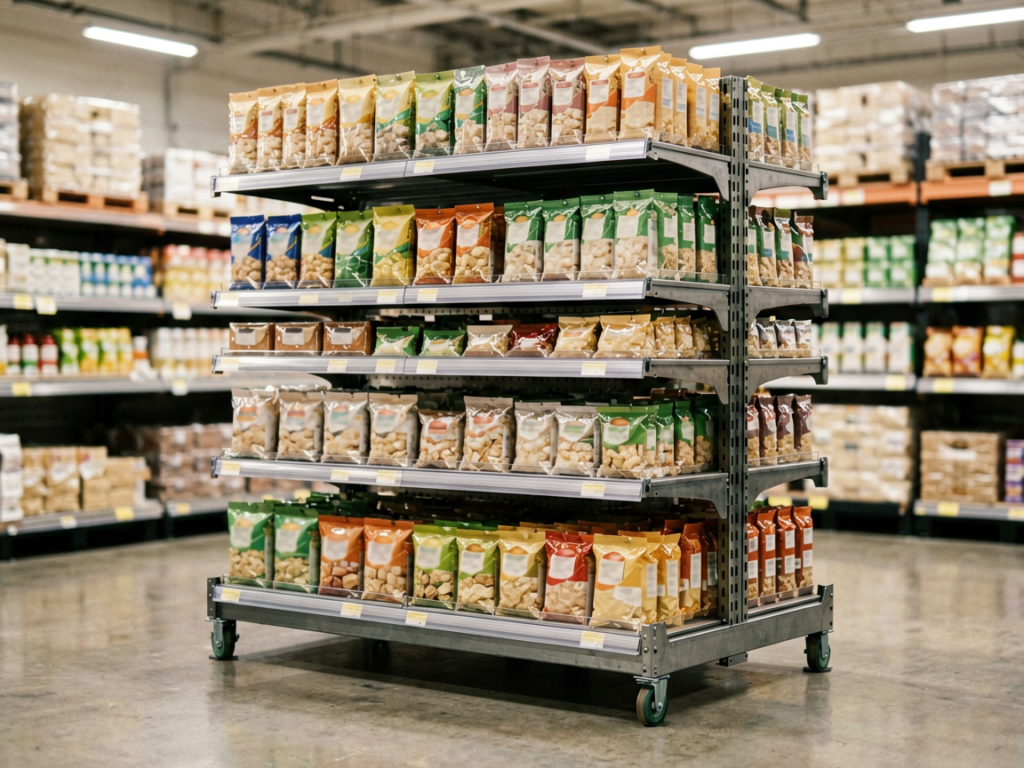
Material Thickness and Load Capacity for Supermarket Racks
Supermarket display racks must support heavy products every day. Bottled water, canned food, bulk snacks, and household products all add weight. The material thickness of a rack is one of the most imp...

Eco-Friendly Materials for Sustainable POP Display Stands
Sustainability is becoming a priority in retail marketing. Brands want POP display stands that are effective but also environmentally responsible. Fortunately, there are many eco-friendly materials av...
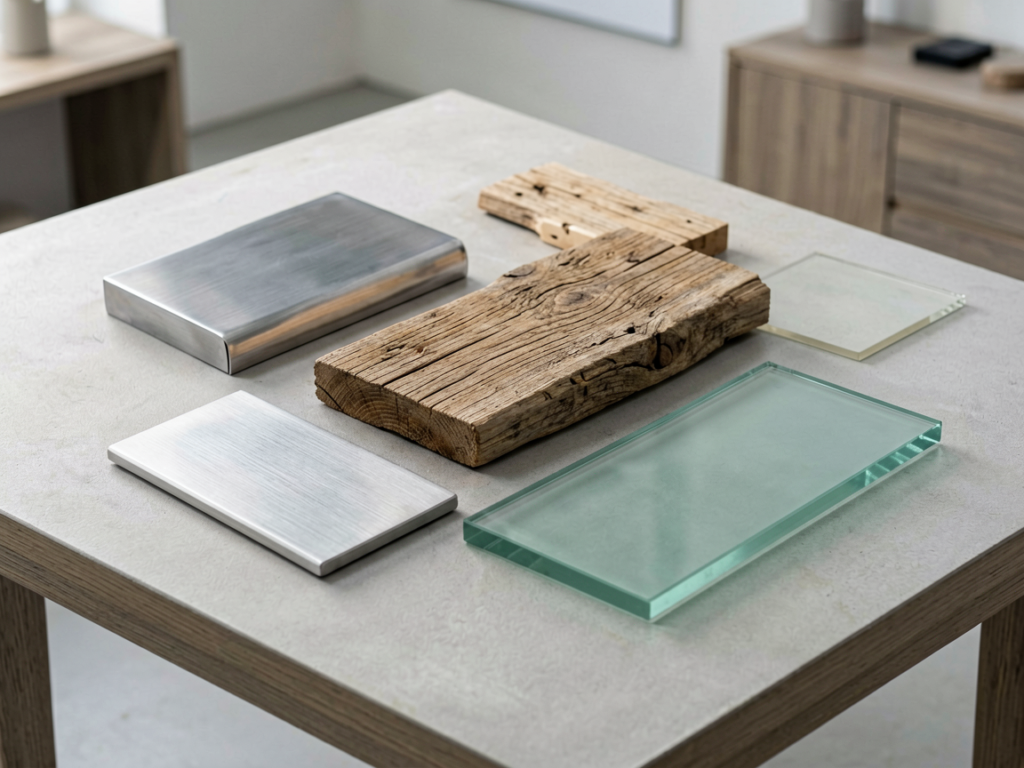
Selecting the Right Material for Custom Store Fixtures
Custom store fixtures are built from a wide range of materials. Selecting the right one depends on the store environment, budget, brand image, and how the fixture will be used. The wrong material can ...
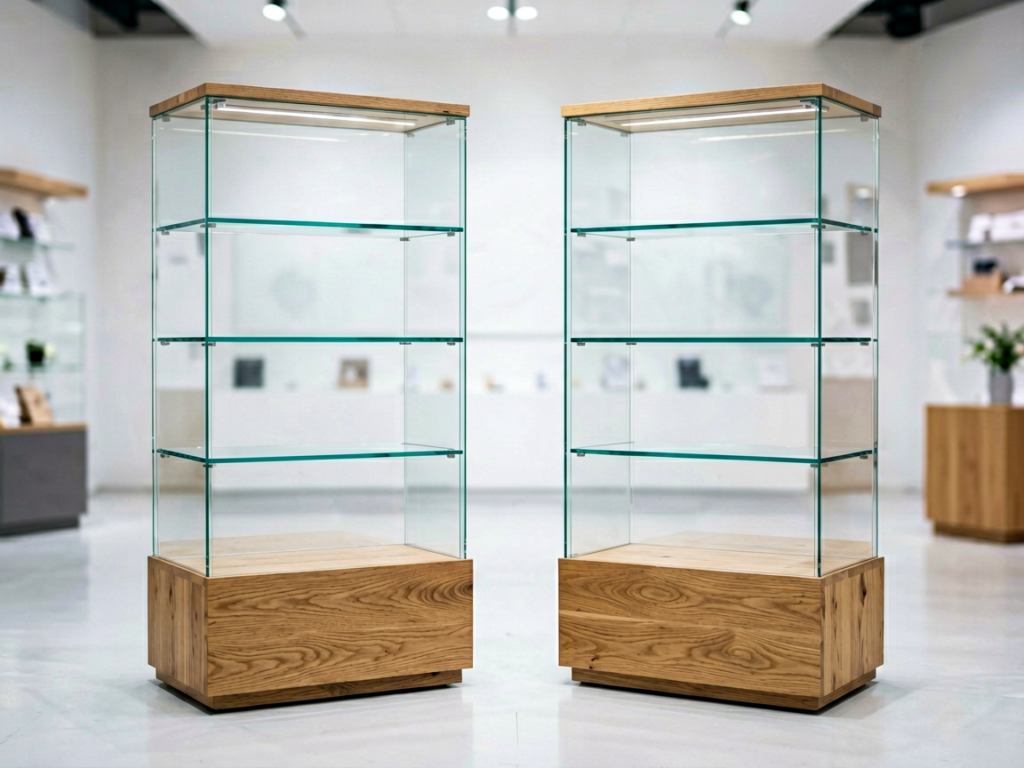
Glass, Acrylic, and Wood Options for Display Cabinets
Display cabinets combine multiple materials to create the right balance of visibility, protection, and style. The three most common materials are glass, acrylic, and wood. Each plays a different role ...
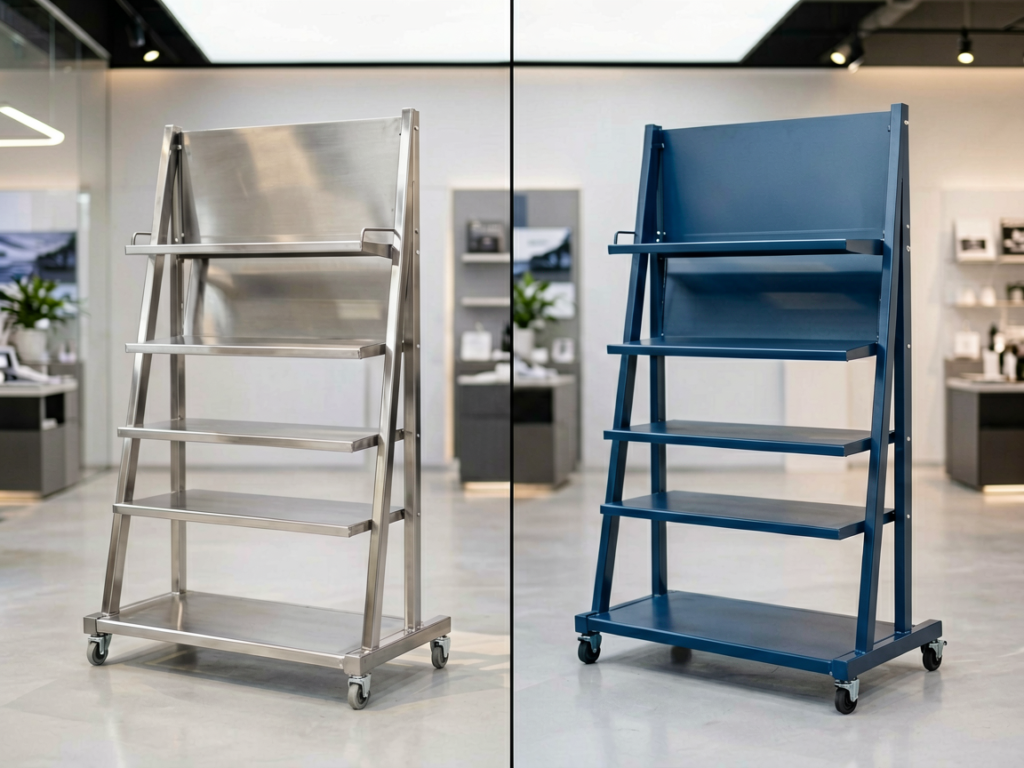
Stainless Steel vs Powder-Coated Metal Display Racks
Choosing the right material for metal display racks affects both appearance and durability. Two of the most common options are stainless steel and powder-coated steel. Each has strengths depending on ...
LED Retail Signage Displays That Boost Foot Traffic
Attracting foot traffic is one of the biggest challenges for brick-and-mortar retail. LED retail signage displays offer a powerful way to catch the eye of people walking by and draw them into the stor...
Energy Efficiency Benefits of Illuminated Display Fixtures
Illuminated display fixtures have become a standard feature in modern retail. They help products stand out and create a better shopping experience. But beyond appearance, they also offer energy effici...
Choosing Between Edge-Lit and Back-Lit LED Displays
When selecting LED displays for retail fixtures, one of the first decisions is whether to use edge-lit or back-lit technology. Both have advantages, and the right choice depends on the application. Un...
LED Display Integration in Modern Signage and Fixtures
Modern retail is becoming more connected. Lighting, signage, and product displays are no longer separate elements. LED display integration brings them together into a single, cohesive system. When don...
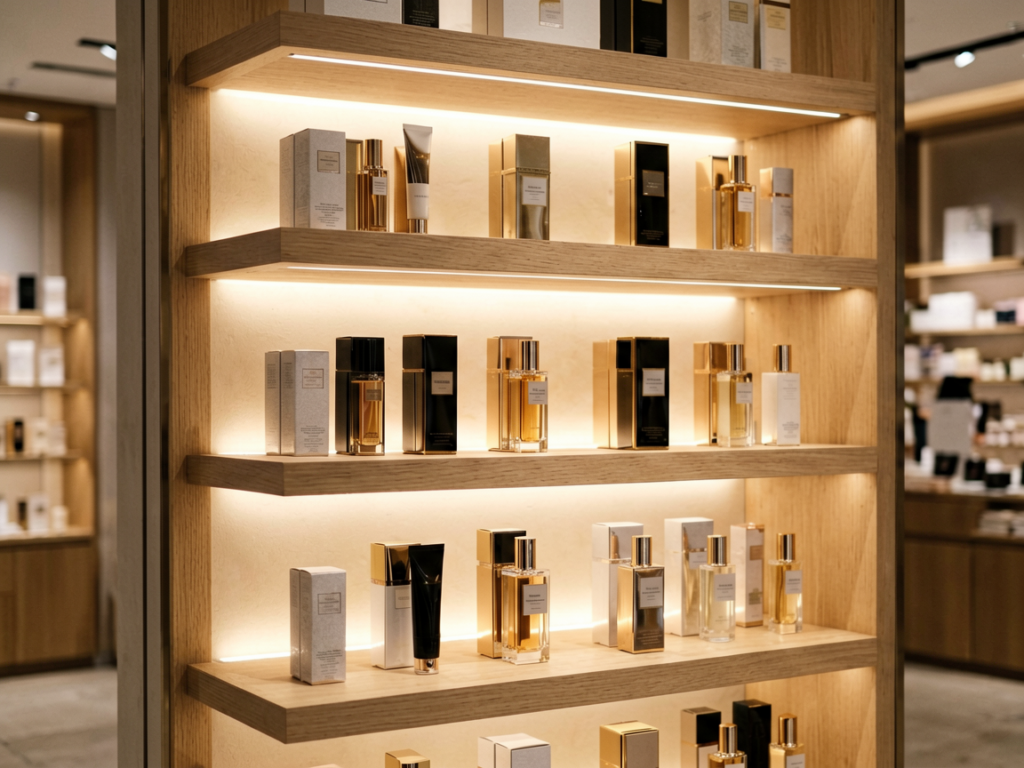
Why LED Backlighting Improves Retail Display Performance
Lighting is one of the most powerful tools in retail design. It can change how customers feel, where they look, and what they buy. LED backlighting has become especially popular because it improves re...
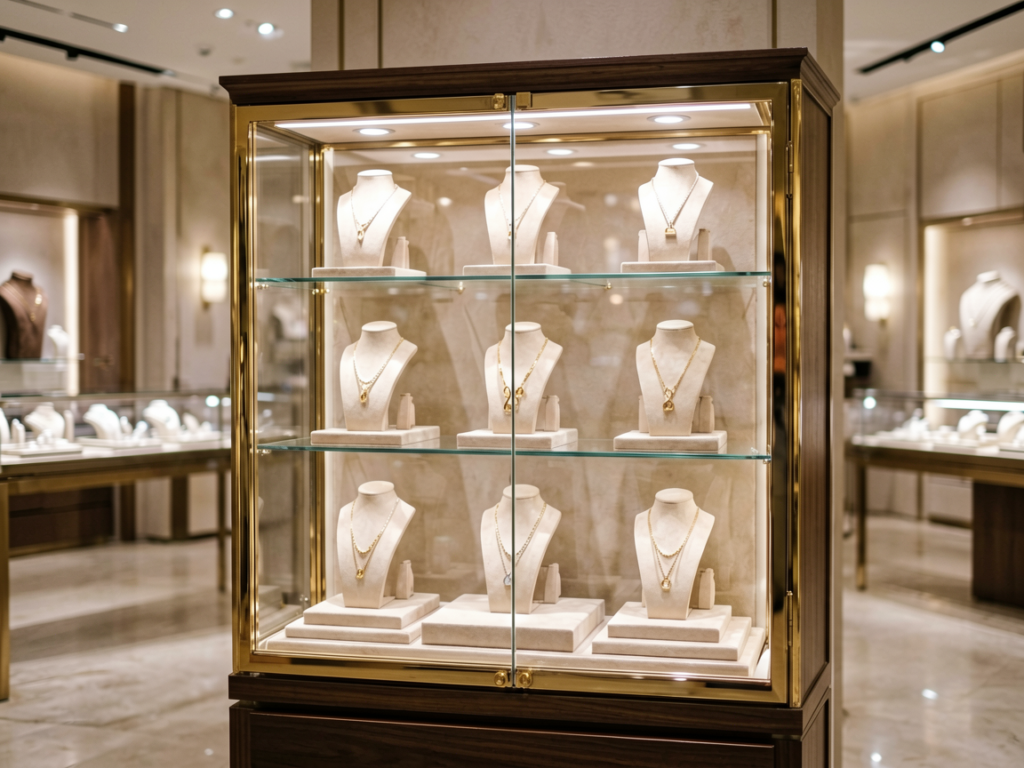
Display Cabinets for a High-End Jewelry Store
Jewelry stores demand display cabinets that protect products while enhancing their beauty. A recent project for a high-end jewelry brand required cabinets with security glass, built-in lighting, and a...
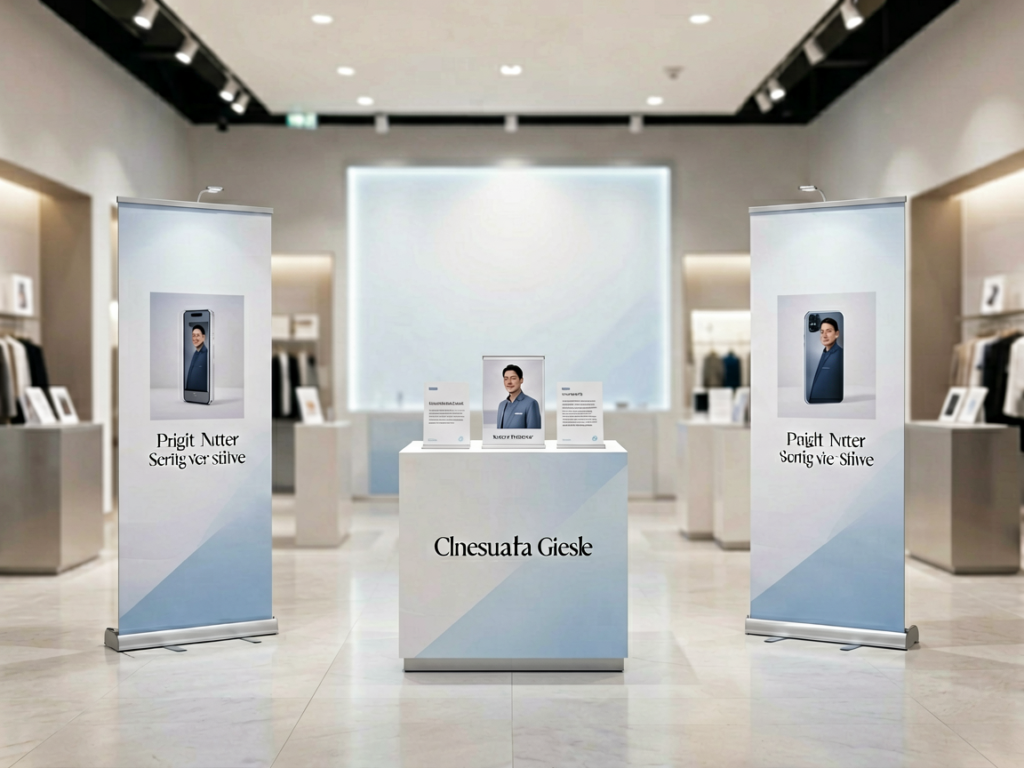
POP Display Stands for a New Product Launch
Launching a new product in retail is a competitive challenge. Brands need to grab attention quickly and make it easy for shoppers to understand the offer. A recent client used custom POP display stand...