
Every retail space is different. Ceiling height, floor layout, customer flow, and product type all affect what kind of fixtures a store needs. That is why many brands choose custom store fixtures instead of off-the-shelf units. But how does a custom fixture move from an idea to a finished product?
At Gorgeous Display, we work with retailers, designers, and wholesalers to turn concepts into production-ready fixtures. This guide walks through the process from drawing to delivery.
Why Custom Store Fixtures Matter
Custom fixtures are not just about looks. They solve real problems. A custom fixture can:

- Match exact store dimensions and branding
- Hold unusual product sizes or weights
- Improve customer flow and product visibility
- Reduce wasted space in awkward layouts
- Support a specific shopping experience, such as try-on or self-service
While standard racks are cheaper upfront, custom fixtures often deliver better results over the life of a store.
Step 1: Understanding the Brief
The first step is always a conversation. We ask about the store type, product range, target customer, and budget. The client may provide sketches, photos, samples, or reference links. Sometimes they only have a problem to solve, and we help define the design.
Key questions include:
- What products will the fixture hold?
- What is the expected load per shelf?
- Where will the fixture be located in the store?
- What materials and colors match the brand?
- Does the fixture need lighting, signage, or locking storage?
Step 2: Design and Engineering
Once the brief is clear, our designers create 3D renderings and technical drawings. These show how the fixture looks from different angles and how it is built. Engineering drawings add production details such as hole sizes, weld points, material thickness, and assembly order.
This step prevents mistakes later. A well-prepared drawing answers questions before production starts. It also helps calculate cost, material needs, and lead time.
Step 3: Sample Production
Before mass production, we build one or two sample units. This allows the client to see the fixture in real life and check the dimensions, color, finish, and function. If changes are needed, we adjust the drawings and make another sample.
Skipping the sample stage is risky. Photos and renderings can hide problems. A sample proves that the design works in reality.
Step 4: Mass Production
After sample approval, we begin batch production. Materials are ordered, components are cut and bent, and the assembly line starts work. We track each batch by order number and inspect at multiple stages.
Quality control checks include:
- Material verification
- Dimensional accuracy
- Weld strength and appearance
- Finish color and durability
- Hardware and accessory fit
Step 5: Delivery and Installation
Most custom fixtures are packed flat or partially assembled to reduce shipping volume. We protect surfaces with film, foam, or cardboard. For export orders, we prepare documentation, labels, and packing lists.
Installation support is available when needed. Some clients prefer to handle installation themselves, while others want our team to guide or supervise the process.
Conclusion
Custom store fixtures require more planning than standard products, but the result is a fixture that fits the space, supports the brand, and performs better for customers. The key is working with a manufacturer that has a clear process from drawing to delivery.
Ready to start your custom fixture project? Contact us for a free design review and quote.
Related posts
Material Thickness and Load Capacity for Supermarket Racks
Supermarket display racks must support heavy products every day. Bottled water, canned food, bulk snacks, and household products all add weight. The material thickness of a rack is one of the most imp...
Eco-Friendly Materials for Sustainable POP Display Stands
Sustainability is becoming a priority in retail marketing. Brands want POP display stands that are effective but also environmentally responsible. Fortunately, there are many eco-friendly materials av...
Selecting the Right Material for Custom Store Fixtures
Custom store fixtures are built from a wide range of materials. Selecting the right one depends on the store environment, budget, brand image, and how the fixture will be used. The wrong material can ...
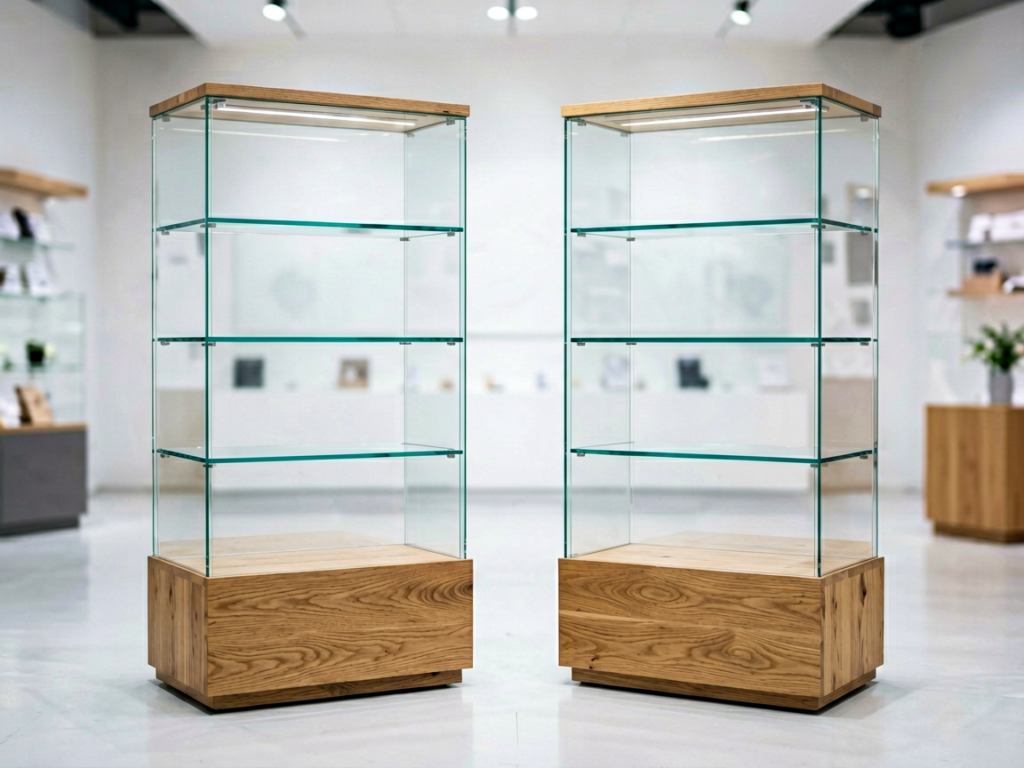
Glass, Acrylic, and Wood Options for Display Cabinets
Display cabinets combine multiple materials to create the right balance of visibility, protection, and style. The three most common materials are glass, acrylic, and wood. Each plays a different role ...
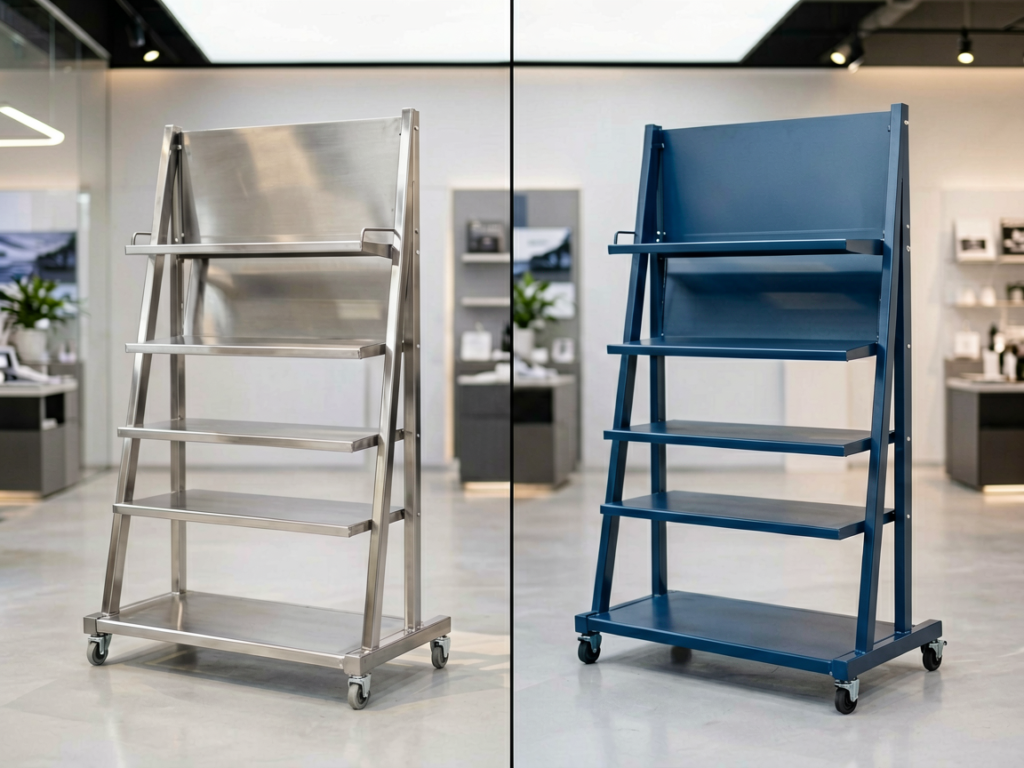
Stainless Steel vs Powder-Coated Metal Display Racks
Choosing the right material for metal display racks affects both appearance and durability. Two of the most common options are stainless steel and powder-coated steel. Each has strengths depending on ...
LED Retail Signage Displays That Boost Foot Traffic
Attracting foot traffic is one of the biggest challenges for brick-and-mortar retail. LED retail signage displays offer a powerful way to catch the eye of people walking by and draw them into the stor...
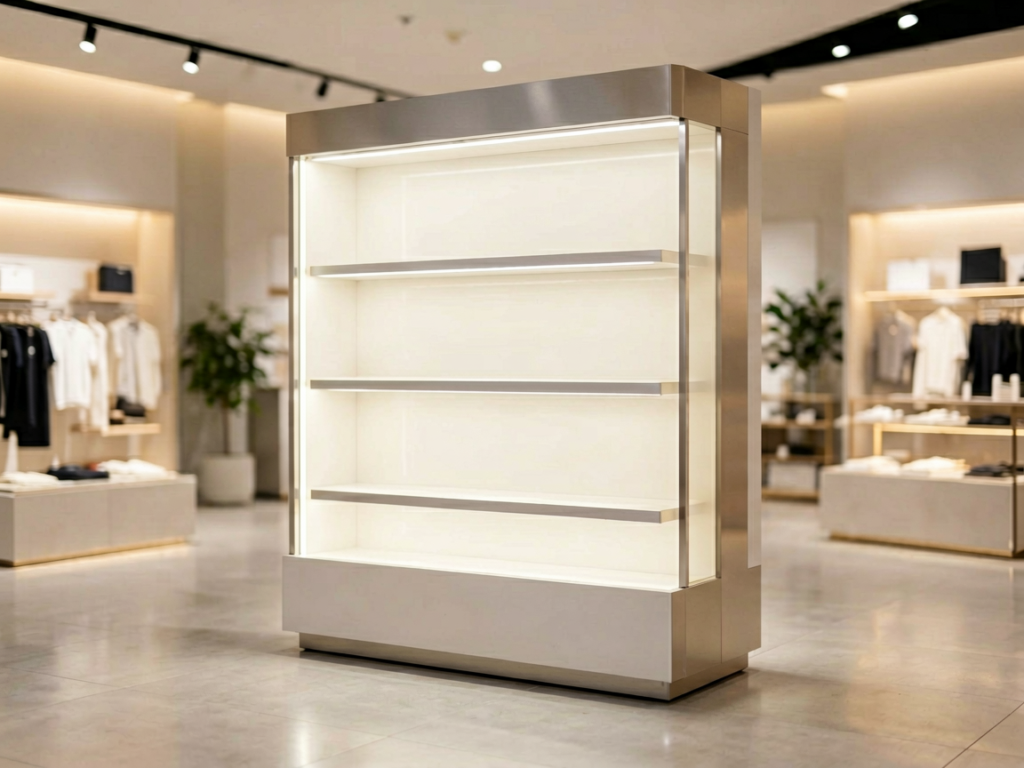
Energy Efficiency Benefits of Illuminated Display Fixtures
Illuminated display fixtures have become a standard feature in modern retail. They help products stand out and create a better shopping experience. But beyond appearance, they also offer energy effici...
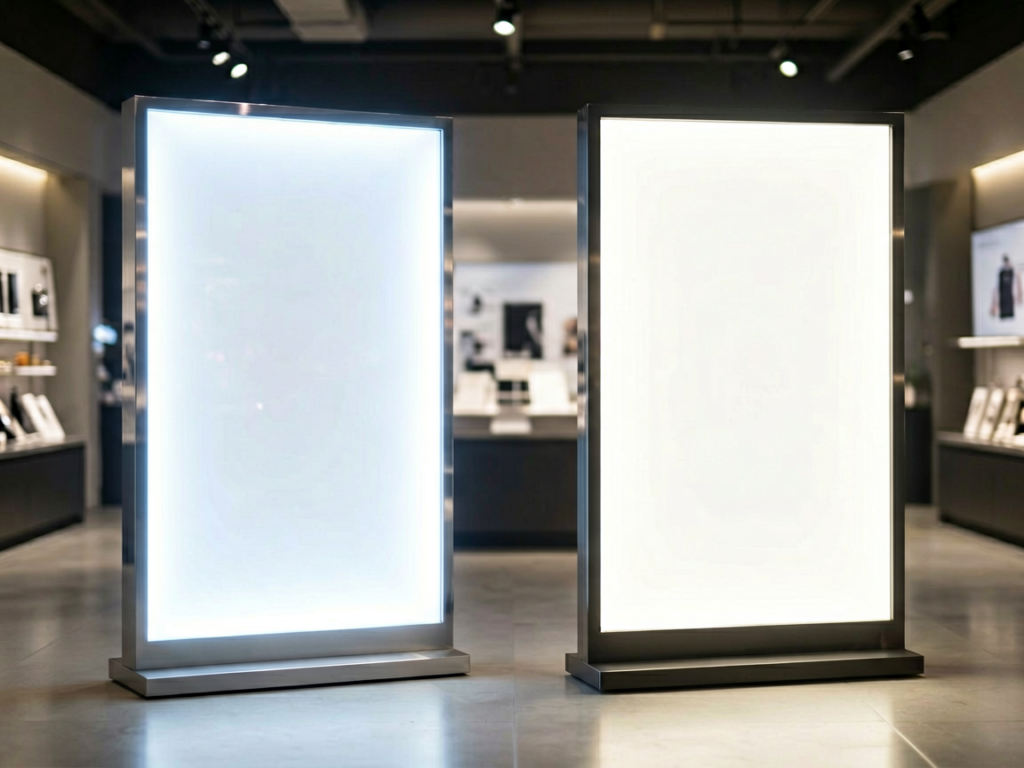
Choosing Between Edge-Lit and Back-Lit LED Displays
When selecting LED displays for retail fixtures, one of the first decisions is whether to use edge-lit or back-lit technology. Both have advantages, and the right choice depends on the application. Un...
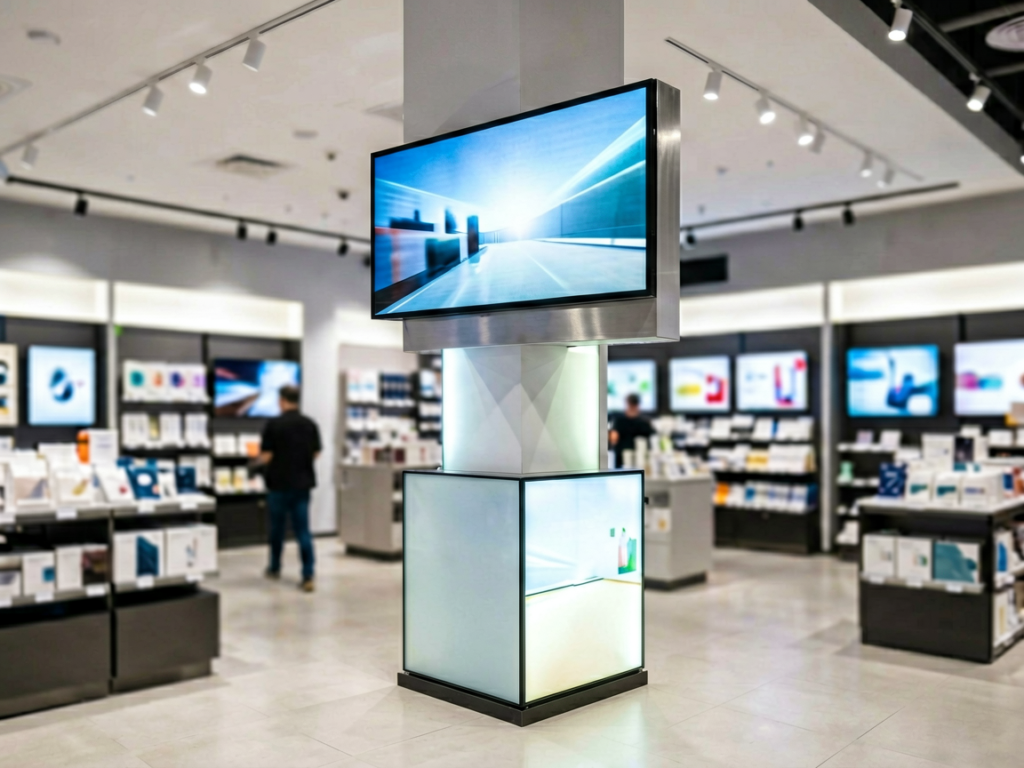
LED Display Integration in Modern Signage and Fixtures
Modern retail is becoming more connected. Lighting, signage, and product displays are no longer separate elements. LED display integration brings them together into a single, cohesive system. When don...
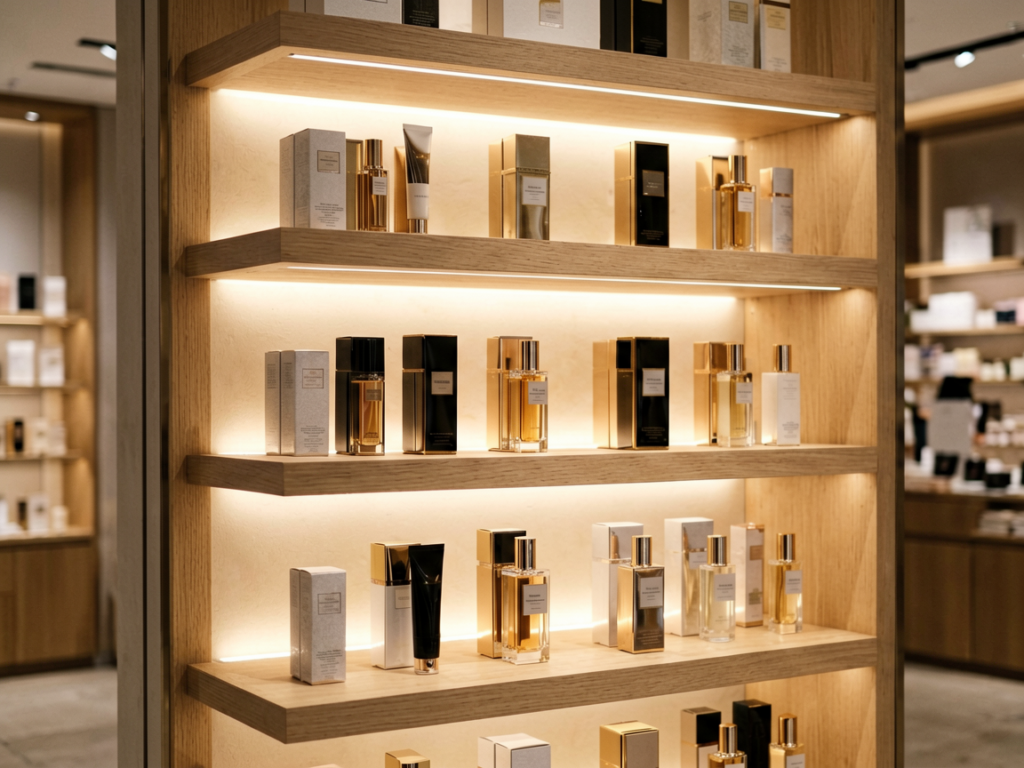
Why LED Backlighting Improves Retail Display Performance
Lighting is one of the most powerful tools in retail design. It can change how customers feel, where they look, and what they buy. LED backlighting has become especially popular because it improves re...
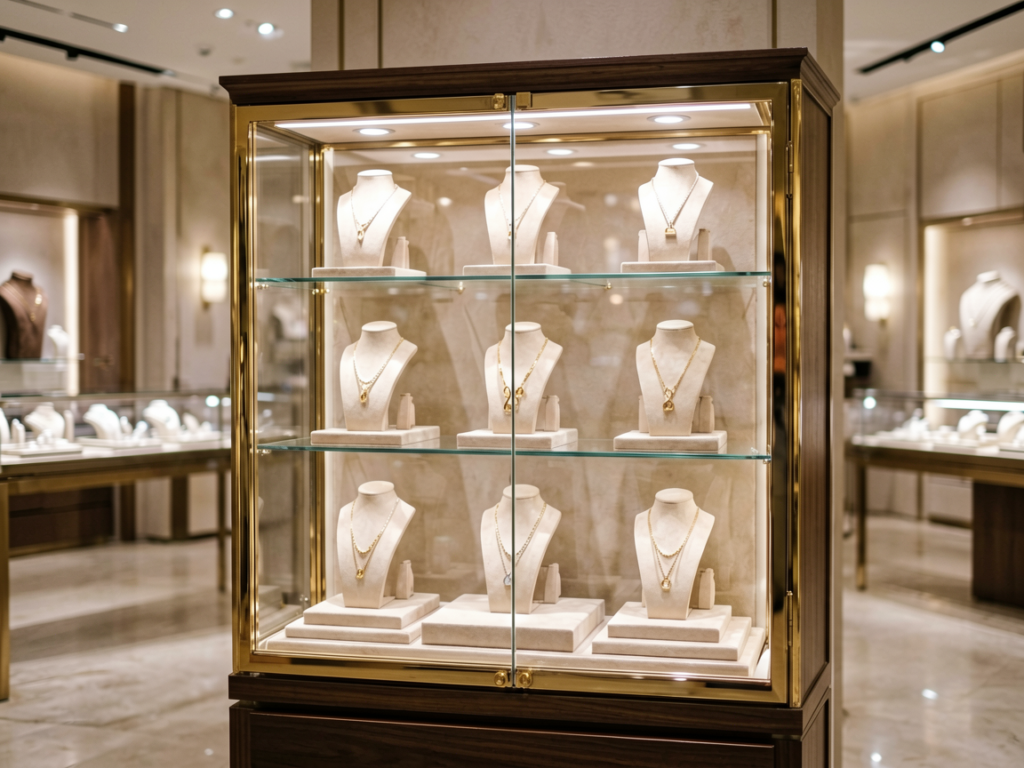
Display Cabinets for a High-End Jewelry Store
Jewelry stores demand display cabinets that protect products while enhancing their beauty. A recent project for a high-end jewelry brand required cabinets with security glass, built-in lighting, and a...
POP Display Stands for a New Product Launch
Launching a new product in retail is a competitive challenge. Brands need to grab attention quickly and make it easy for shoppers to understand the offer. A recent client used custom POP display stand...