
Welding is one of those things that most people do not think about when they look at a display rack. But if you are buying display fixtures in large quantities, welding quality should be near the top of your checklist. A strong weld keeps a rack safe and stable. A weak weld can lead to failure, returns, and even liability issues.
In this article, we explain why welding quality matters in retail display manufacturing and what buyers should look for.
What Does Welding Do in a Display Rack?
Welding joins the metal parts of a rack together. Frames, brackets, shelves, and base plates all need to be connected. Depending on the design, a single rack may have dozens of weld points. Each one has to hold its share of the load.
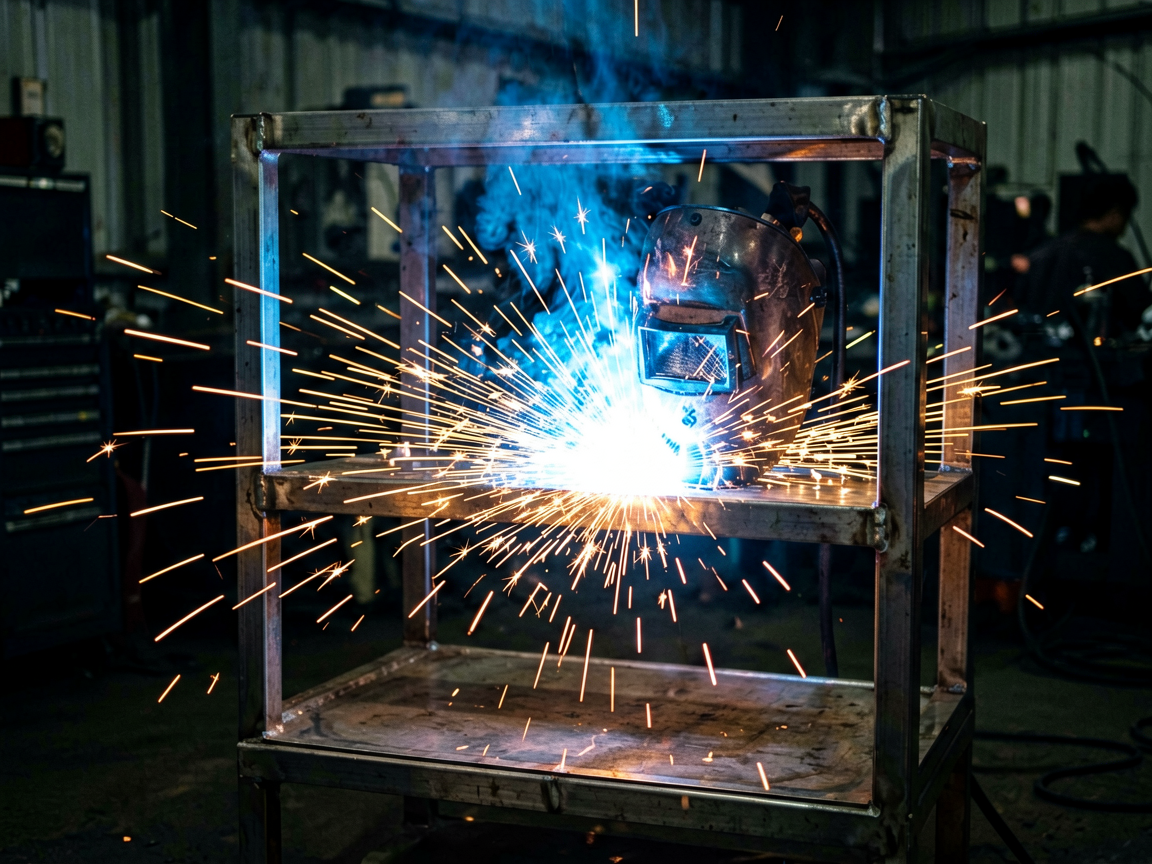
Display racks are not just static furniture. They are touched by customers, bumped by carts, loaded with heavy products, and sometimes moved around. Every weld point has to handle daily stress.
Common Types of Welding in Retail Fixtures
Manufacturers use different welding methods depending on the material and the look required.
| Welding Type | Best For | Appearance |
|---|---|---|
| MIG welding | Fast production of strong joints | Functional, may need grinding |
| TIG welding | Visible seams and precision work | Clean and smooth |
| Spot welding | Thin sheets and wire connections | Small flat marks |
What Happens When Welding Is Poor?
Bad welding can cause several problems:
- Structural failure: A weak joint may crack or break under load.
- Sagging: Poorly welded shelves can bend over time.
- Safety risks: In a busy store, a failed rack can injure customers or staff.
- Short product life: A rack with weak joints will not last as long.
- Rejected shipments: Buyers may refuse a batch with visible weld defects.
How to Check Welding Quality
If you are visiting a factory or reviewing samples, here are some things to check:
- Look for consistent weld size along the joint.
- Check for cracks, holes, or undercutting.
- Make sure the weld penetrates both pieces of metal.
- Verify that visible seams are ground smooth.
- Ask for load test reports if available.
Experienced manufacturers will not be surprised by these questions. They should have clear welding standards and inspection records.
Conclusion
Welding is not the most visible part of a display rack, but it is one of the most important. High-quality welding keeps the rack strong, safe, and durable. When choosing a supplier, ask about their welding process, quality checks, and load testing. It is a simple step that can save a lot of trouble later.
Looking for a reliable manufacturer for your retail display fixtures? Contact us to learn about our welding standards and request a sample.


Related posts
Material Thickness and Load Capacity for Supermarket Racks
Supermarket display racks must support heavy products every day. Bottled water, canned food, bulk snacks, and household products all add weight. The material thickness of a rack is one of the most imp...

Eco-Friendly Materials for Sustainable POP Display Stands
Sustainability is becoming a priority in retail marketing. Brands want POP display stands that are effective but also environmentally responsible. Fortunately, there are many eco-friendly materials av...
Selecting the Right Material for Custom Store Fixtures
Custom store fixtures are built from a wide range of materials. Selecting the right one depends on the store environment, budget, brand image, and how the fixture will be used. The wrong material can ...
Glass, Acrylic, and Wood Options for Display Cabinets
Display cabinets combine multiple materials to create the right balance of visibility, protection, and style. The three most common materials are glass, acrylic, and wood. Each plays a different role ...
Stainless Steel vs Powder-Coated Metal Display Racks
Choosing the right material for metal display racks affects both appearance and durability. Two of the most common options are stainless steel and powder-coated steel. Each has strengths depending on ...
LED Retail Signage Displays That Boost Foot Traffic
Attracting foot traffic is one of the biggest challenges for brick-and-mortar retail. LED retail signage displays offer a powerful way to catch the eye of people walking by and draw them into the stor...
Energy Efficiency Benefits of Illuminated Display Fixtures
Illuminated display fixtures have become a standard feature in modern retail. They help products stand out and create a better shopping experience. But beyond appearance, they also offer energy effici...
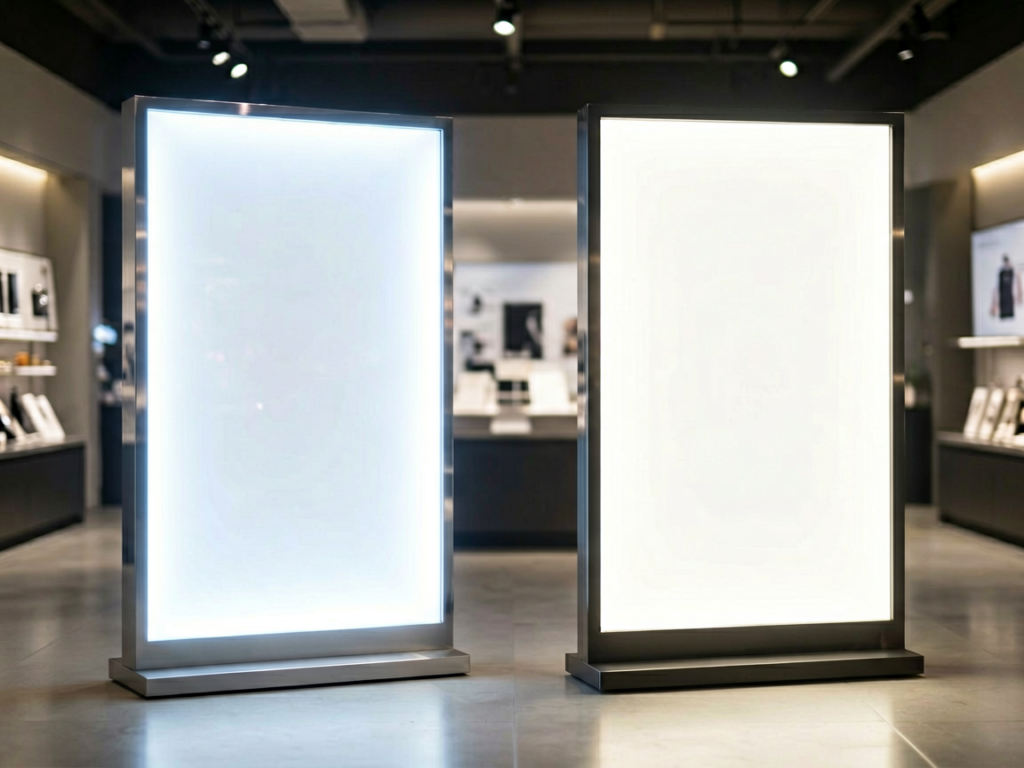
Choosing Between Edge-Lit and Back-Lit LED Displays
When selecting LED displays for retail fixtures, one of the first decisions is whether to use edge-lit or back-lit technology. Both have advantages, and the right choice depends on the application. Un...
LED Display Integration in Modern Signage and Fixtures
Modern retail is becoming more connected. Lighting, signage, and product displays are no longer separate elements. LED display integration brings them together into a single, cohesive system. When don...

Why LED Backlighting Improves Retail Display Performance
Lighting is one of the most powerful tools in retail design. It can change how customers feel, where they look, and what they buy. LED backlighting has become especially popular because it improves re...
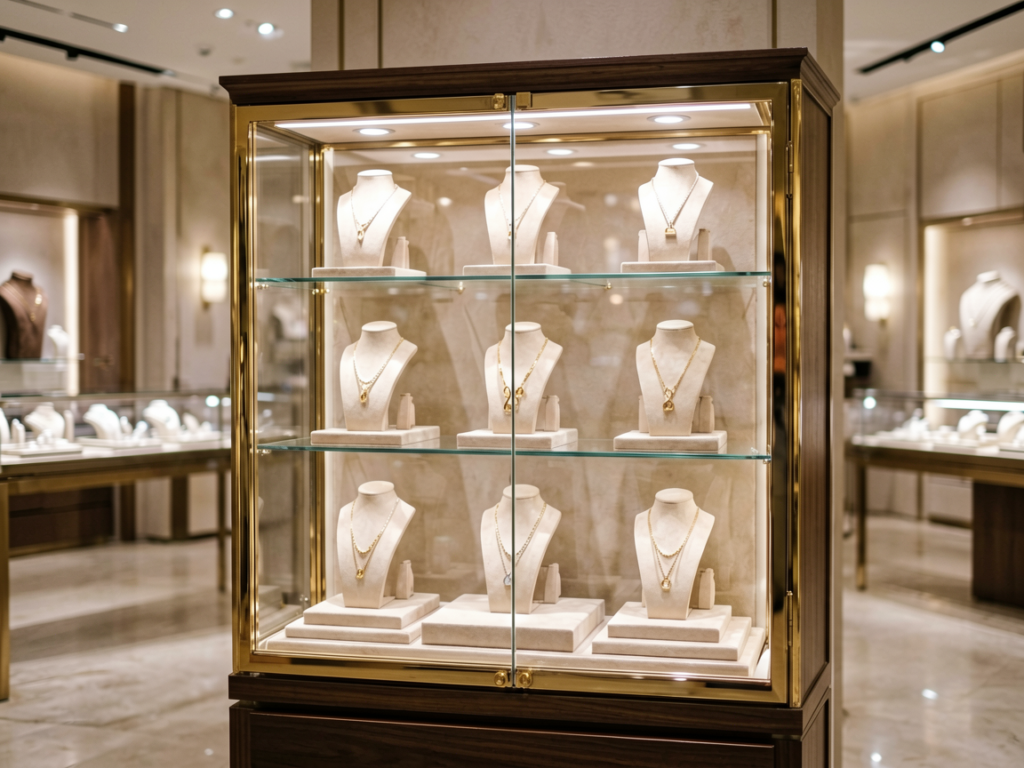
Display Cabinets for a High-End Jewelry Store
Jewelry stores demand display cabinets that protect products while enhancing their beauty. A recent project for a high-end jewelry brand required cabinets with security glass, built-in lighting, and a...
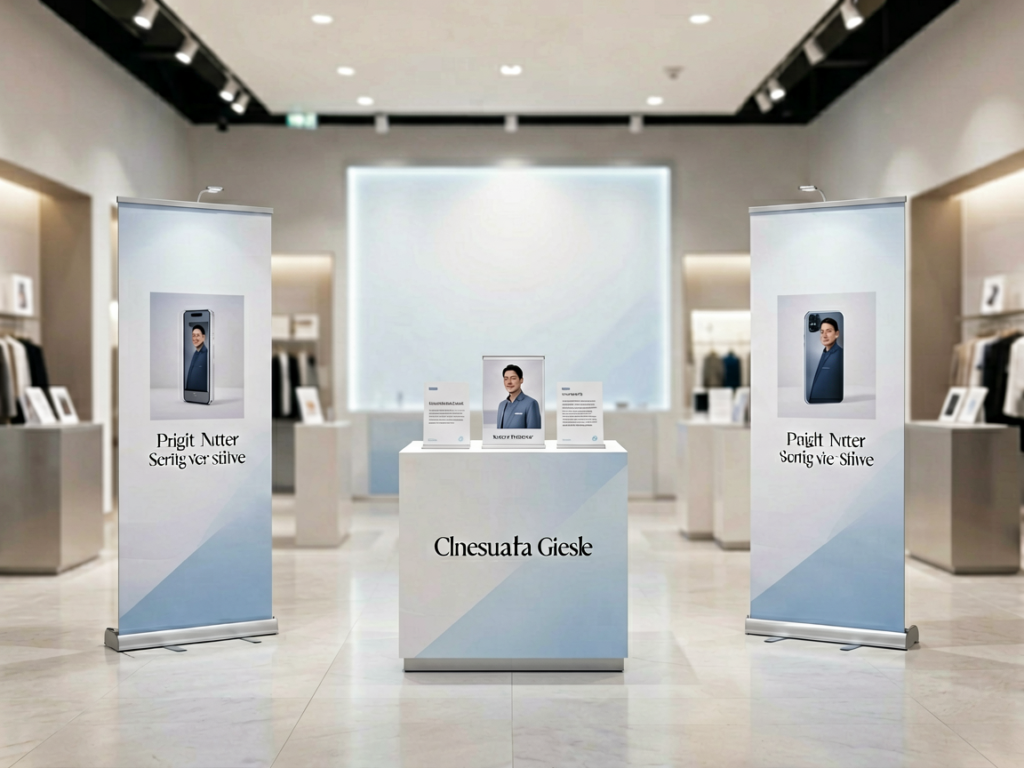
POP Display Stands for a New Product Launch
Launching a new product in retail is a competitive challenge. Brands need to grab attention quickly and make it easy for shoppers to understand the offer. A recent client used custom POP display stand...